Poison Ivy Removal in Philadelphia, PA
Poison ivy removal services focus on safely and effectively eliminating poison ivy plants from residential properties. This service is suitable for a variety of projects, including clearing overgrown areas, maintaining landscaped yards, or removing plants that pose a risk to children, pets, or anyone with sensitive skin. Property owners typically want to understand the scope of the removal process, the safety measures involved, and how the plants will be disposed of to prevent regrowth. Proper removal helps reduce the risk of allergic reactions and keeps outdoor spaces safe and enjoyable.
Before requesting poison ivy removal, property owners should consider the size and location of the affected areas, as well as any nearby plants or structures that may be impacted. It’s important to identify whether the poison ivy is growing on the ground, on trees, or on fences, so that the appropriate removal methods can be used. Additionally, understanding the potential for regrowth and the need for follow-up treatments can help ensure the space remains poison ivy-free in the long term. Clear communication about these details can assist in planning an effective removal process.
Many property owners in Philadelphia, PA look into Poison Ivy Removal for repairs, replacements, upgrades, and appearance-related improvements.
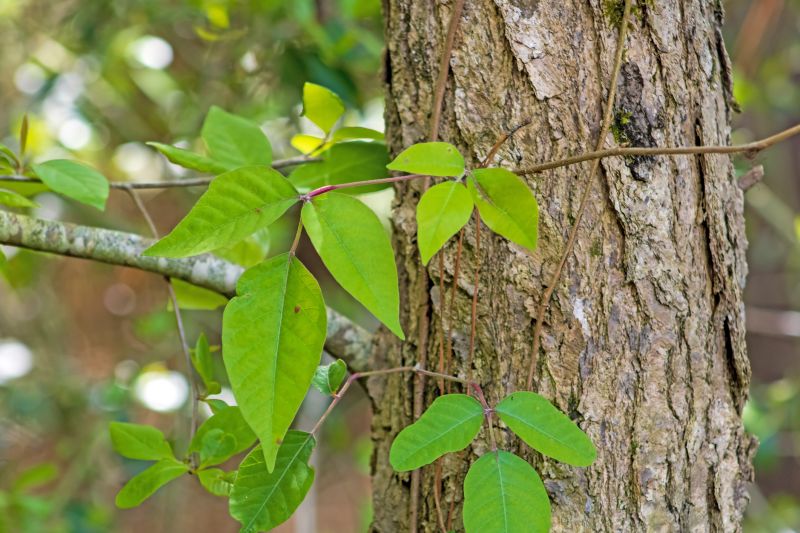
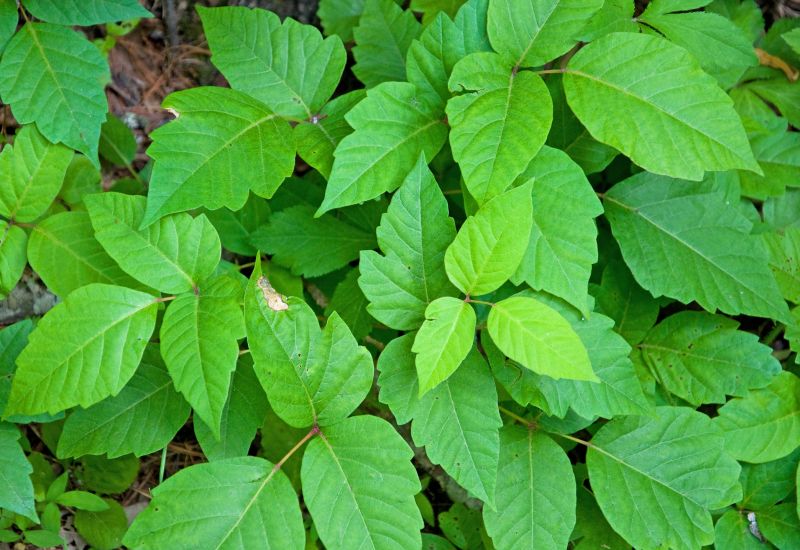
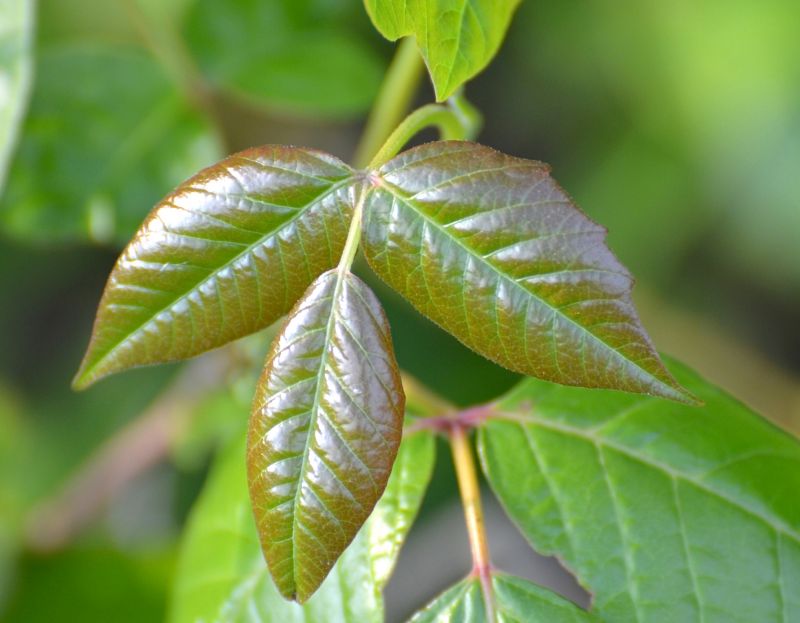
Identifying Poison Ivy
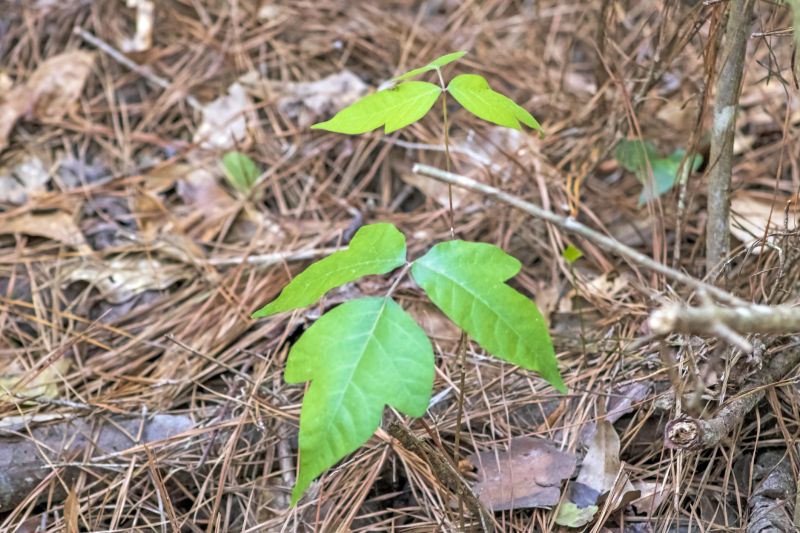
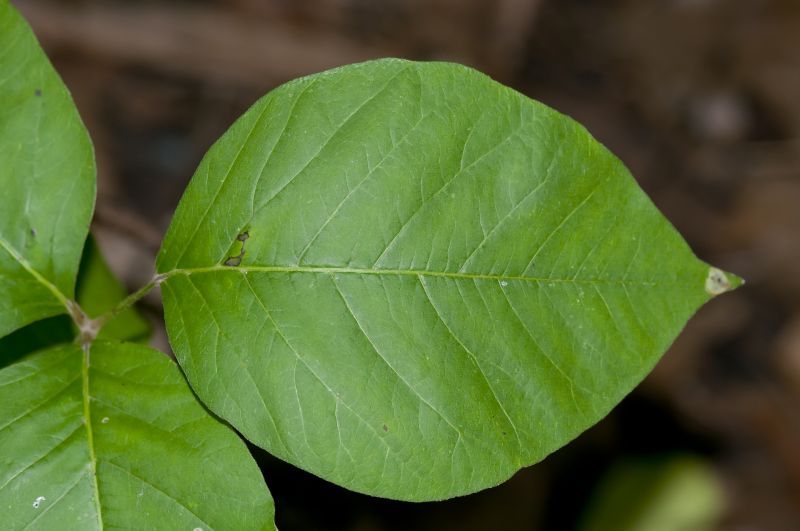
Recognizing poison ivy growth on residential and commercial properties in philadelphia helps prevent skin irritation and environmental spread.
Safe Removal Techniques
Professional removal ensures poison ivy is eliminated without damaging surrounding plants or risking exposure.
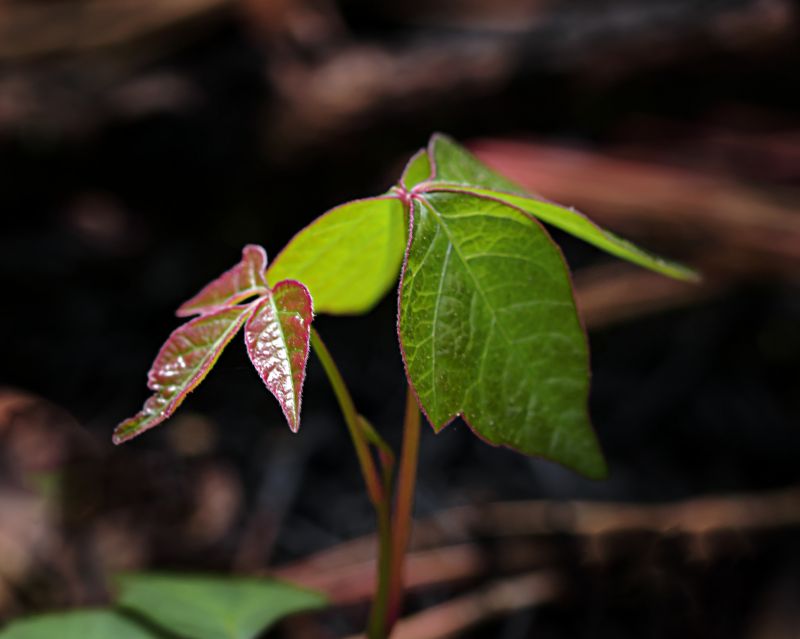
Prevention And Maintenance
Proper management practices help property owners keep poison ivy from regrowing and protect outdoor spaces in philadelphia.
Poison Ivy Removal in Philadelphia, PA
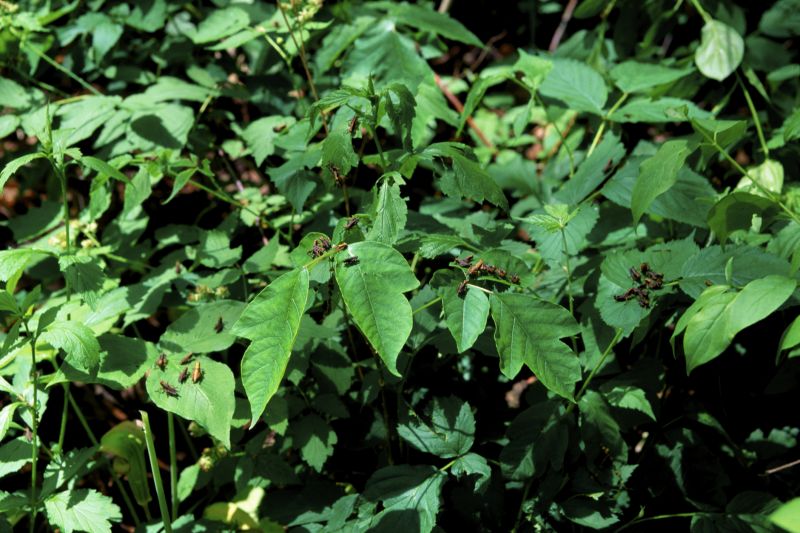
Poison ivy removal services focus on safely and effectively eliminating poison ivy plants from residential properties. This service is suitable for a variety of projects, including clearing overgrown areas, maintaining landscaped yards, or removing plants that pose a risk to children, pets, or anyone with sensitive skin. Property owners typically want to understand the scope of the removal process, the safety measures involved, and how the plants will be disposed of to prevent regrowth. Proper removal helps reduce the risk of allergic reactions and keeps outdoor spaces safe and enjoyable.
Before requesting poison ivy removal, property owners should consider the size and location of the affected areas, as well as any nearby plants or structures that may be impacted. It’s important to identify whether the poison ivy is growing on the ground, on trees, or on fences, so that the appropriate removal methods can be used. Additionally, understanding the potential for regrowth and the need for follow-up treatments can help ensure the space remains poison ivy-free in the long term. Clear communication about these details can assist in planning an effective removal process.
Many property owners in Philadelphia, PA look into Poison Ivy Removal for repairs, replacements, upgrades, and appearance-related improvements.
Common Poison Ivy Removal Jobs
Poison Ivy Removal - safe and effective removal of poison ivy from residential landscapes.
Yard Clearing - clearing overgrown areas to eliminate poison ivy and prevent future growth.
Tree and Shrub Trimming - trimming affected branches to reduce poison ivy spread on property.
Ground Cover Removal - removing poison ivy from lawns, gardens, and landscaped beds.
Property Maintenance - ongoing management to control poison ivy regrowth and protect outdoor spaces.
Emergency Response - prompt removal services for urgent poison ivy issues on properties.
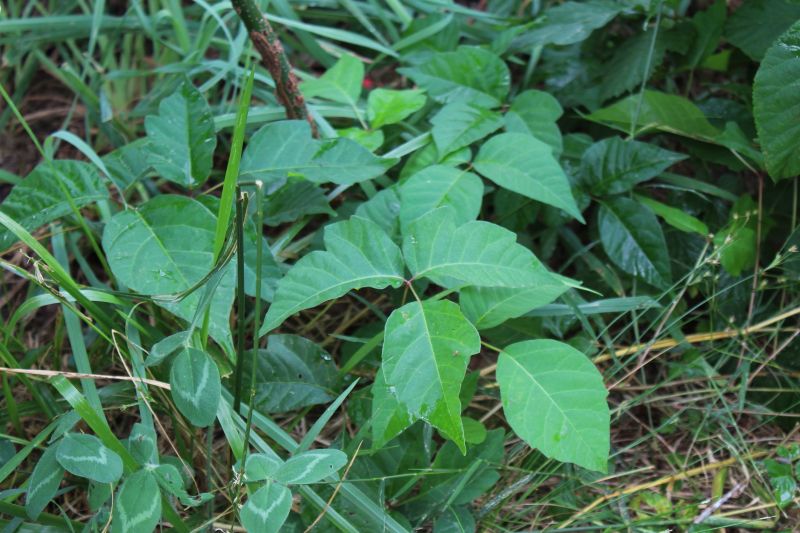
Poison Ivy Removal Questions
What is poison ivy removal? Poison ivy removal involves safely eliminating the plant from residential or commercial properties to prevent skin irritation and property damage.
Why should poison ivy be removed? Removing poison ivy reduces the risk of allergic reactions and prevents the spread of the plant to other areas of the property.
What methods are used for poison ivy removal? Techniques include manual removal, herbicide application, and targeted pruning to effectively eliminate the plant.
When is the best time for poison ivy removal? The ideal time for removal is during the plant’s active growing season, typically in spring or early summer, for optimal effectiveness.
Request Poison Ivy Removal in Philadelphia, PA
Use the quote form on this page to share the basics of your project and request more information for the type of work you need.